

How to Descale and Maintain Your Espresso Machine for Optimal Spring Performance Under $25
There’s nothing quite like opening a fresh bag of coffee, dialing in the grind, and pulling a shot that truly sings—smooth, balanced, with that beautiful crema. But if your espresso machine isn’t singing back, chances are mineral buildup is silently sabotaging your brew. Descaling isn’t glamorous, but it’s the secret weapon for maintaining peak extraction, consistency, and flavor—especially as the weather warms up and you’re eager to enjoy that perfect spring cup.
Our Top Picks
Affiliate disclosure: if you buy through these links, we may earn a commission at no extra cost to you.

The good news? You don’t need expensive gear or complicated processes. With just $25 or less in supplies, you can keep your machine running clean, reliable, and ready for your best brew yet. Let’s walk through the essential steps to keep your espresso machine performing at its best all spring long.
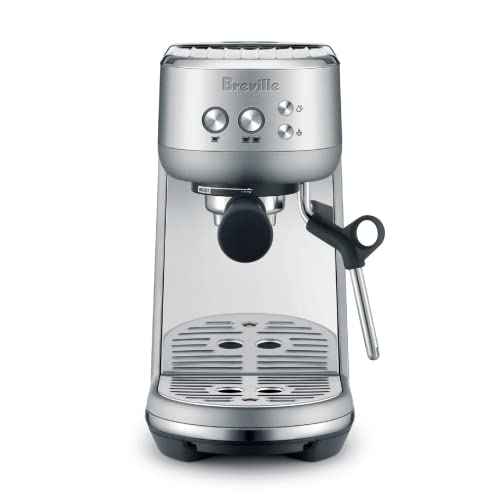
Breville Barista Express Espresso Machine BES870XL, Brushed Stainless Steel
$683.49Check price on Amazon
Table of Contents
Understanding Why Descaling Matters
Over time, minerals from tap water—primarily calcium and magnesium—accumulate inside your espresso machine, especially in the boiler, steam wand, and internal channels. This buildup hampers heat transfer, causes blockages, and can even lead to leaks or system failure. More critically, scaled parts don’t deliver consistent pressure or temperature, both of which are crucial for a proper shot extraction.
Regular descaling restores the machine’s internal plumbing, ensuring your espresso remains balanced, sweet, and shots are rich with crema. Skipping it may save a few minutes now, but the long-term cost is poorer extraction, inconsistent performance, and potentially costly repairs. Spring is the perfect time for a clean start—your espresso will thank you.
Supplies Needed Under $25
- Descaling solution: A safe, Food Grade descaling agent like Citric Acid or suitable descaler—costs about $7 for enough to last multiple cycles.
- Container or pitcher: To catch used water—already in your kitchen.
- Clean cloth or towel: For wiping and checking connections.
- Optional: Soft brush or pipe cleaner: To clear small channels if needed—costs around $5 or less.
Pro tip: avoid generic vinegar-based solutions for espresso machines. They can damage seals and rubber components over time. Citric acid or dedicated descalers ensure a thorough clean without harm.
Preparing Your Machine for Descaling
Before diving in, turn off your espresso machine and unplug it. Remove any portafilter, drip trays, and water filters if applicable. Drain any remaining water from the reservoir—do not skip this, as fresh water is needed for the descaling cycle.
Next, fill the water reservoir with your prepared descaling solution, following the manufacturer's recommended ratio (usually about 1-2 tablespoons of citric acid per liter of water). Make sure the machine’s internal pathways are filled with the descaling solution when powered on. If you have a machine with a water circuit that runs repeatedly, it’s worth making a fresh batch and running a dedicated descaling cycle.
Step-by-Step Descaling Process
- Start the brew cycle by running the descaling solution: Engage your machine’s brew button or lever, and let it run through the entire system until the reservoir is empty. This process flushes out mineral deposits from the internal channels.
- Rinse thoroughly: Refill the reservoir with fresh, clean water and run at least 2-3 rinse cycles, until the water runs clear and no lingering descaling solution remains. This step is critical to prevent off-flavors or corrosion.
- Clean removable parts: While the machine is empty, wipe down the group head, portafilter, and steam wand with a damp cloth. Use a soft brush or pipe cleaner to clear any stubborn debris in small nozzles or holes.
Post-Descaling Maintenance & Tips
After descaling, inspect all seals and gaskets for any wear or damage—replacing them when necessary ensures proper pressure and prevents leaks. Keep your water reservoir tips clean and dry when not in use to prevent mold growth.
To keep your machine performing optimally between descalings, use filtered water or at least water with low mineral content. Consider installing a carbon filter if your tap water is particularly hard. Regularly wiping down the steam wand and group head prevents buildup from milk residues or oils that can harbor scale.
Troubleshooting Common Issues
My machine is still scale-heavy after descaling. What now?
Repeat the descaling process. If buildup remains, consider a stronger solution or commercial descaling products designed for heavy scale. In persistent cases, consulting a technician might be necessary.
Why is my espresso tasting off after descaling?
This may mean residual descaling solution or mineral deposits are impacting flavor. Ensure thorough rinsing, and consider a quick backflush with clean water and a small amount of cleaning solution recommended by your brand.
Can I descale my Moka pot or French press?
No need for descaling—these don’t have internal plumbing. Just clean these with warm soapy water regularly. Focus descaling efforts on your espresso machine and drip brew gear.
Is descaling safe for my machine’s seals?
When done with proper descaling products and thorough rinsing, yes. Always follow your manufacturer’s guidelines, especially if your machine has delicate rubber seals.
How often should I descale?
Most home machines benefit from a descaling every 3-6 months, more often if your water is very hard. Keep an eye on performance and flavor; if you notice slower extraction or off-tastes, it’s probably time.
Maintaining your espresso machine with simple, budget-friendly descaling actions keeps it performing reliably—so you get consistently excellent shots all spring long. Remember, a clean machine equals tastier coffee, and the effort you put in now pays dividends in flavor and longevity down the line.
Ready to upgrade your morning routine? Grab your descaling supplies, check your machine’s manual, and give it the spring cleaning it deserves. Your taste buds will thank you.
Frequently Asked Questions
How do I choose the right descaling solution for my espresso machine under $25?
You can select an affordable citric acid powder or a vinegar-water mixture, both of which are effective and cost less than $25. Ensure you check your machine's manual to confirm it is safe for these natural alternatives before starting the process.
What is the best way to prepare my espresso machine before running a descaling cycle?
Start by draining any remaining water from the group head and reservoir, then remove the portafilter and shower screen. This prevents mineral-laden water from stagnating in the brew basket while you circulate the cleaning solution through the internal lines.
Is it worth descaling my coffee maker if I only use filtered water?
Yes, it is still worth descaling because even filtered water contains some minerals that accumulate over time and can affect taste. Regular maintenance ensures your espresso machine continues to pull balanced shots with proper crema extraction.
How do I choose between a dedicated descaling kit and DIY ingredients for my drip coffee maker?
For drip coffee makers, DIY ingredients like white vinegar are often sufficient and cheaper, whereas high-end espresso machines may benefit from specialized kits to protect sensitive boilers. Compare the cost of a $15 vinegar bottle against a $20 commercial kit to decide which fits your budget.
What is the best frequency for descaling my French press or moka pot to maintain optimal performance?
While these devices do not have internal boilers like espresso machines, you should clean them monthly with a mild acid solution to remove coffee oils and sediment. Using a dedicated cleaning tablet or a paste of baking soda and water can effectively restore their flavor profile.
How do I choose the correct rinse cycle after descaling my milk frother?
Run multiple cycles with fresh water until no vinegar or cleaning solution smell remains, ensuring all residue is flushed from the steam wand and heating element. This step is critical to prevent off-flavors in your next batch of steamed milk.
Is it worth investing in a coffee scale if I want to improve my brewing consistency after descaling?
Yes, a digital coffee scale helps you dial in the perfect dose and yield ratio, ensuring that your maintenance efforts translate into better-tasting coffee. Investing in one under $25 can significantly improve precision for pour-over gear and drip coffee makers alike.


