

How to Choose the Right Coffee Grinders
Picking the right grinder isn’t just about price or brand; it’s about understanding how your grinder influences every cup. From espresso shots to cold brews, grind consistency, dose accuracy, and burr quality directly impact extraction and flavor. A good grinder is the foundation of a serious coffee setup—without it, even the best beans can fall flat.
Our Top Picks
Affiliate disclosure: if you buy through these links, we may earn a commission at no extra cost to you.
But with so many options out there—blade, blade-less, conical, flat, manual, electric—how do you find the one that actually elevates your brewing game? The goal isn’t just to grind quickly but to grind precisely and consistently, giving you control over extraction and ultimately the flavor profile. Let’s break down what matters when choosing your perfect coffee grinder.
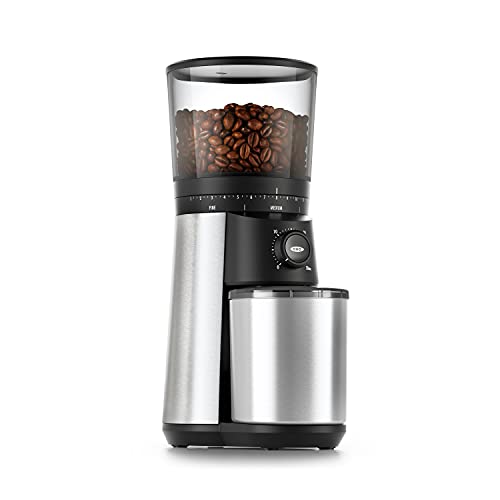
OXO Brew Conical Burr Coffee Grinder - Silver, Stainless Steel Burrs, One-Touch Automatic Smart Grind
$82.46Check price on Amazon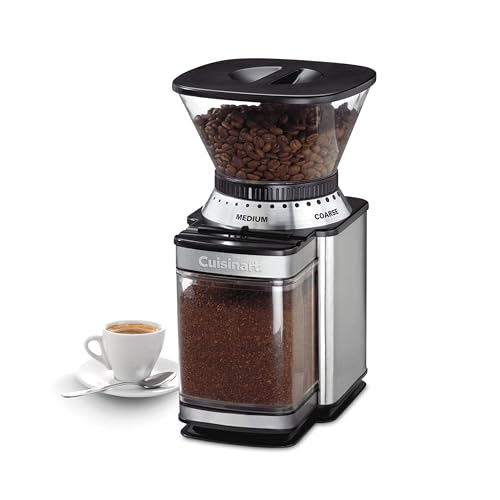
Table of Contents
Grind Types and Burr Options
The first decision is whether to choose a blade grinder or a burr grinder. Blade grinders, often found at low price points, chop beans into random-sized pieces. They’re inexpensive but lack precision, resulting in uneven extraction—a major flaw if you’re brewing espresso or pour-over. Plus, inconsistent grounds contribute to over- or under-extraction, muddy flavor, and a less refined cup.
Burr grinders—whether conical or flat—crush beans between two burrs, producing uniform-sized particles. This consistency is vital, especially for espresso, where even a slight variation in grind size can change your shot’s extraction time and flavor profile. Burr grinders are the gold standard for serious coffee, but they come in a range of qualities and prices.
Conical vs. Flat Burrs
Choosing between conical and flat burrs often comes down to preference and budget, but both can deliver excellent grind consistency. Conical burrs feature a nested, cone-shaped grinder that tends to produce less static and noise, making it a popular choice for home setups. They also often handle oily beans better because their design encourages less heat buildup during grinding.
Flat burrs, on the other hand, use two parallel, flat surfaces that grind more uniformly and provide slightly more precise particle size distribution. This can benefit espresso brewers where small differences matter—like dialing in a shot or optimizing yield. High-end flat burr grinders tend to be more expensive and require more routine calibration.
Grind Consistency and Particle Size
Uniform grind size is king. When grounds are consistent, extraction occurs evenly, leading to balanced flavors—neither too bitter nor too sour. Conversely, inconsistent particle sizes cause over-extraction of finer particles and under-extraction of coarser ones, making your brew muddled or overly sharp.
Pay attention to your grinder’s grind size range and how well it maintains consistency over time. Cheaper models often drift in particle size as the burrs wear, so consider the quality of build and warranty. An investment in a step-up grinder can significantly improve your shot-to-shot consistency and overall flavor.
Adjustability and Dose Accuracy
Precision adjustments are crucial. An excellent grinder offers micro-adjustments so you can fine-tune your grind size in small increments—especially important for espresso to dial in that perfect extraction. Also, some grinders allow you to set a specific dose—either by shot count or weight—and pre-program it, saving time and ensuring consistency.
Look for grinders with clear, easy-to-turn adjustment dials and digital dose controls if you’re serious about precision. Note that some budget models rely on step-cams or less granular mechanisms, which can make fine-tuning a chore.
Price-to-Performance Value
You don’t need to break the bank for a functional, quality grinder, but be cautious of buying cheap models that promise “great results” but underperform in real life. Entry-level grinders like some budget blades or basic conicals can produce inconsistent grounds, making it hard to dial in flavors.
Mid-range burr grinders—around $200–$500—offer a good balance, with better burrs, more stable grind consistency, and better adjustability. For espresso aficionados willing to invest more, high-end grinders well north of $500 feature advanced burr designs, stepless adjustments, and minimal retention—delivering excellent long-term value.
Maintenance and Longevity
Grinders require regular cleaning to prevent buildup of coffee oils and fines that can clog burrs and alter grind quality. Look for models with accessible burr chambers and straightforward disassembly. High-end grinders tend to be more durable, using better materials that withstand years of use with minimal performance decline.
Budget grinders may wear out faster, and replacement parts might be limited. If you’re committed to your craft—whether it’s daily espresso or weekend cold brew—investing in a grinder with good build quality and easy maintenance will save headaches down the line.
Frequently Asked Questions
Do I need a burr grinder for pour-over brewing?
Absolutely. Burr grinders give you a uniform grind, which is essential for controlling extraction in pour-over and drip coffee. Inconsistent grounds will lead to uneven extraction and less flavorful cups.
Is a conical burr grinder better than a flat burr grinder?
Not necessarily better—just different. Conical burrs are typically quieter, less prone to static, and handle oily beans better, making them ideal for home use. Flat burrs offer slightly more precise particle size control, favored in espresso-focused setups.
How often should I calibrate or adjust my grinder?
Adjust whenever you change beans, roast levels, or brewing methods. Also, if you notice inconsistency in your extraction or a flavor shift, it’s time to re-calibrate or clean your burrs.
Can I use a blade grinder for espresso?
Technically, yes, but it’s not recommended. Blade grinders produce uneven grounds, which can lead to under-extracted, bitter espresso. A burr grinder is worth the investment if espresso is your priority.
What features should I look for in a high-end grinder?
Stepless grind adjustments, digital dosing options, minimal retention, durable burr materials, and easy maintenance are the key features of a quality, high-end grinder.
In the end, choosing the right coffee grinder isn’t just about finding the most expensive or flashy model; it’s about matching your brewing style, volume, and taste priorities with a grinder that will deliver consistent, reliable results for years to come. The right grinder can elevate your coffee routine from good to exceptional—making every morning a pleasure and every shot an expression of care.
Next step? Assess your brewing style, set your budget, and start exploring options that meet those needs. Remember, a grinder that suits your home setup and goals is a worthwhile investment—happy grinding!


