

How to Choose the Right Drip Coffee Makers
Nothing beats starting your day with a well-extracted cup of drip coffee. But the market is flooded with options—cheap models that look sleek but underperform, and high-end machines that can make it hard to justify the price when the brew isn't quite there. Choosing the right drip coffee maker isn't just about aesthetics or brand name; it’s about understanding what features truly impact your extraction, flavor, and routine. The right machine can elevate your daily ritual from mediocre to consistently satisfying.
Our Top Picks
Affiliate disclosure: if you buy through these links, we may earn a commission at no extra cost to you.


If you're serious about quality, it's worth demystifying what makes a good drip coffee maker tick—thermal stability, filtering efficiency, heat-up times, and even how consistent their output is over time. In this guide, I’ll walk you through everything you need to consider, from key features to practical tips, so you can invest in a machine that genuinely benefits your coffee routine.
Mueller 12-Cup Drip Coffee Maker - Borosilicate Carafe, Auto-Off, Reusable Filter, Anti-Drip, Keep-Warm Function, Clear Water Level Window Coffee Machine, Kitchen Essentials & Accessories
$29.96Check price on Amazon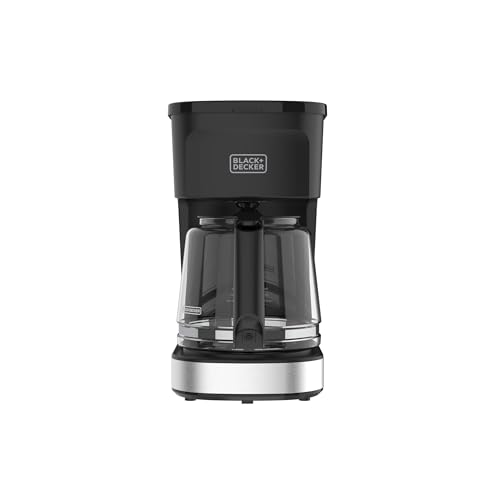
Table of Contents
Understanding Brew Technology
At its core, a drip coffee maker's goal is to pass hot water evenly through coffee grounds to extract flavor efficiently. Cheap models often use poorly insulated reservoirs and inconsistent heating elements, leading to temperature drops that hinder proper extraction. On the other hand, mid-range to high-end models employ more precise brewing chambers and better thermal components, resulting in more stable brewing conditions.
Look for machines that offer uniform water distribution—many affordable options skip this step altogether, resulting in uneven extraction. A good drip machine should mimic that steady pour-over rhythm, where hot water saturates all grounds evenly for balanced flavor. If you pay attention to how water flows and heats, you'll notice that better design choices deliver clearer, more nuanced coffee—crucial if you want to replicate café-quality brews at home.
Heating Systems & Temperature Control
Temperature consistency is king for good drip coffee. Ideally, your machine should heat water to between 195°F and 205°F—those parameters ensure good extraction without scalding the coffee or leaving under-extracted sourness. Some entry-level machines have simple on/off boilers, causing temperature swings that compromise flavor. In contrast, professional-grade models incorporate dual thermostats or PID controllers, maintaining precise thermal stability throughout the brew cycle.
💡 Pro Tip: If you're serious about extraction, look for a machine with a PID control or at least a thermal carafe with a heated base—this helps maintain optimal temp as the coffee sits, especially if you don’t plan to consume it all immediately.
Filtration & Brew Basket Design
The filter plays a subtle but key role. Standard paper filters are great—they trap fines and sediment, preventing over-extraction and bitterness. But the design of the brew basket can make a difference too. A flat-bottomed filter basket that allows water to flow evenly and a showerhead that distributes water in a spiral ensures your grounds are fully saturated for even extraction.
Some models skip the showerhead or use poorly fitting filters, leading to uneven brew strength. Investing in machines that accommodate #4 filters and have a well-designed basket can significantly improve clarity and balance. Keep in mind: reusable filters are eco-friendlier, but they need to be cleaned diligently for consistent results.
Features to Watch For
While simplicity often equals reliability, a few key features elevate a drip machine from average to excellent. Look for a programmable timer if morning batching is your thing, but avoid overly complicated interfaces that can break down. A pause-and-serve feature is handy when you need a quick single cup. Water level indicators help avoid over or under-filling, and some machines include brew strength controls—useful if you prefer a slightly bolder or milder cup.
Don't underestimate the value of a thermal carafe—these keep your coffee hot without the bitter taste some glass decanters develop as the heat dissipates. If you're considering aesthetics, yes, some designs look great on the countertop—just make sure they don't compromise on essential brewing performance.
Price-to-Performance Ratios & Brands
Honestly, there are options across the price spectrum. Budget models ($50-$100) can be decent if you’re just looking for convenience, but they often lack heat stability and brewing consistency—think of them as reliable alarm clocks, but not your best coffee partner. Mid-range models ($100-$200) like the Technivorm Moccamaster or Bonavita offer excellent thermal stability, consistent yields, and long-term durability—they're well worth the investment if you care about flavor.
High-end options (> $200) often add fancy features, Wi-Fi controls, or aesthetic touches. While these can be fun, the core performance—temperature control, brew uniformity—is what makes the real difference in taste. Read reviews based on brewing performance, not just design appeal.
Practical Tips for Brewing Success
Even the best machine can’t fix bad habits. Use fresh, quality coffee roasted for drip brewing—aim for a medium grind, similar to granulated sugar. Use the right dose—about 1 to 2 tablespoons per 6 ounces of water—and adjust based on your taste. Always pre-wet your filter to eliminate paper taste and improve flow. And give your machine a regular cleaning; mineral buildup or old coffee oils can tarnish your brew’s clarity.
Experiment with water temperature and brew time to find your sweet spot. Typically, a brew cycle lasting about 4 to 6 minutes hits that perfect balance between extraction and clarity. Keep a coffee scale handy to measure dose and yield accurately—precision helps dial in your preferred strength.
Frequently Asked Questions
Is a thermal carafe necessary?
Not necessary, but highly recommended if you want hot coffee without risking bitterness or burning flavors that come with warming plates. It keeps your brew fresh and clean-tasting longer.
How important is water temperature?
Very important. Too low, and you get under-extraction; too high, and you risk scalding the coffee. Consistent temperature around 200°F is ideal for proper extraction of nuanced flavors.
Can I use any filter with my machine?
Use the filter size recommended by the manufacturer (usually #4 for most brewers). Reusable filters can work well if they're properly designed, but always ensure they fit snugly to prevent uneven water flow.
How often should I descale my drip coffee maker?
Every 1-3 months, depending on water hardness. Regular descaling prevents mineral buildup, keeps the heating element efficient, and maintains consistent brewing temperature.
Are expensive machines really better?
In most cases, yes—especially for thermal stability, build quality, and repeatable results. But a well-chosen mid-range machine, when used properly, can deliver excellent coffee without breaking the bank.
Is a programmable feature worth it?
If you want coffee ready when you wake up, yes. Just be sure that the feature doesn’t compromise brew quality—look for machines with reliable timers and minimal warm-up delays.
Getting your perfect drip coffee isn’t about finding the most expensive gadget; it’s about understanding the components that influence flavor and consistency. A good machine paired with attentive brewing habits will make every morning satisfying. Start by identifying what features truly matter to you—then choose a machine that emphasizes those elements—and don’t forget: consistency is king.
Now, equipped with this knowledge, your next step is to pick a machine that aligns with your needs and brewing style. Happy brewing!


