

Coffee Grinders Vs French Press Which Should You
If you’re looking at your kitchen counter and wondering whether to invest in a high-quality grinder or a new French press, you’re actually asking two different questions. One is about the vessel that holds your coffee, and the other is about the tool that defines its flavor. Because a French press is an immersion brewer, it is uniquely sensitive to grind consistency. If your grind is uneven, you’ll end up with a cup that is either muddy with "fines" slipping through the mesh or thin and sour because the extraction was uneven. This comparison isn't about choosing between two identical items; it's about understanding how a grinder serves as the foundation for your French press brewing routine.
In this guide, we’re breaking down the relationship between these two essential pieces of gear. We'll look at why a consistent coarse grind is the non-negotiable requirement for a clean cup, and how choosing the right grinder can turn a mediocre morning brew into a professional-grade extraction. Whether you are a budget-conscious beginner or looking to upgrade your manual or electric setup, understanding the interplay between grind size and immersion brewing is the key to making your money count.
Affiliate disclosure: if you buy through these links, we may earn a commission at no extra cost to you.
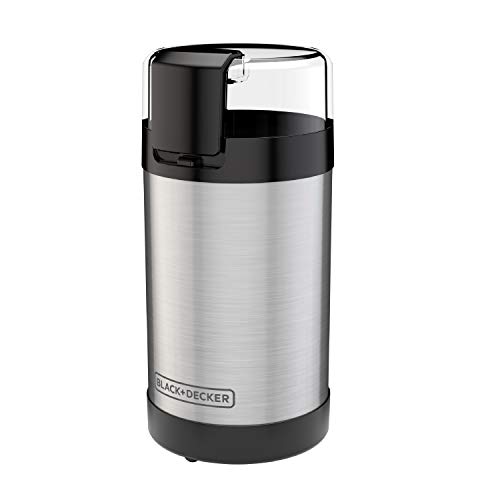
Table of Contents
- Models in this comparison
- Quick Verdict
- About Coffee Grinders
- About French Press
- Head-to-Head: The Relationship Between Grinder Quality and Brew Success
- Head-to-Head: Grind Consistency and Extraction Control
- Head-to-Head: Workflow and Daily Routine
- Who Should Choose Coffee Grinders?
- Who Should Choose French Press?
- Our Verdict
- Frequently Asked Questions
- Sources & References
Models in this comparison
Affiliate disclosure: if you buy through these links, we may earn a commission at no extra cost to you.

Quick Verdict
Note: Because a coffee grinder is a component used to prepare coffee and a French Press is a brewing vessel, these are not interchangeable products. This comparison helps you decide where to allocate your budget to improve your coffee quality.
Choose a Coffee Grinder if...
- You want to solve the root cause of inconsistent flavor and "sludge" in your cup.
- You want to preserve the unique oils and gases of fresh beans by grinding just before brewing.
- You are looking for a foundational upgrade that improves multiple brewing methods, not just the French Press.
Choose a French Press if...
- You already own a decent grinder and need a reliable vessel for immersion brewing.
- You want a simple, tactile way to brew full-bodied coffee at home.
- You are looking for an affordable entry point into the world of specialty coffee.
| Factor | Coffee Grinders | French Press |
|---|---|---|
| Scope of Comparison | A component/tool used to prepare beans. | A complete brewing vessel/system. |
| Primary Function | Breaking down whole beans into consistent particle sizes. | Immersing coffee grounds in water to extract flavor. |
| Impact on Flavor | Controls extraction through grind consistency and fines control. | Determines body, texture, and flavor strength. |
| Setup Difficulty | Low to Moderate (depending on manual vs. electric). | Very Low (simple immersion brewing). |
| Key Advantage | Freshness: Preserves gases and oils by grinding just before brew. | Simplicity: An easy, forgiving, and tactile brewing ritual. |
| Main Drawback | Requires regular cleaning and maintenance of burrs. | Can produce "sludge" if the grind is too fine. |
About Coffee Grinders
When we talk about coffee gear, the grinder is often the most critical component in your workflow. If you're brewing with a French Press, the grinder isn't just a luxury; it's the gatekeeper of your flavor profile. For this brewing method, you need a consistent coarse grind. If your grinder produces uneven particles, you'll endre up with a cup that is either frustratingly bitter or thin and weak. A quality grinder allows you to control 'fines'—those tiny, microscopic coffee particles—to ensure they don't slip through your mesh screen and create a muddy, sludge-filled cup.
In the current market, you have two main paths: electric and manual. For those who want speed and ease, electric burr grinders like the Baratza Encore are highly regarded for their ability to deliver consistent coarse grinds and a variety of settings. If you prefer a smaller footprint or a more tactile experience, manual grinders like the TIMEMORE Chestnut C2 or the KINGrinder K6 offer precise control. The TIMEMORE Chestnut C2 is a particularly strong budget-friendly option, priced in the $50-$70 range with a 4.7 rating. For those looking for an upgrade-level manual experience, the KINGrinder K6 provides precise click control for more granular adjustments.
The golden rule of grinding is timing. To preserve the unique gases and oils that define your bean's profile, you should grind your beans just before you brew. Using pre-ground coffee often leads to a loss of those aromatics, meaning you're missing out on the full potential of your specialty beans. Whether you go electric or manual, look for adjustable settings that allow you to tweak the grind to your specific taste preferences.
About French Press
The French Press is one of the most honest brewing methods out there. It is an immersion brewer, meaning the coffee grounds sit in contact with the water for the entire extraction time. This results in a heavy body and a rich, textured mouthfeel that you just can't get with paper filters. Because it relies on a mesh plunger rather than a fine paper element, the quality of your grind becomes the deciding factor in whether your morning coffee is a masterpiece or a muddy mess.
To get the best results, you need to focus on particle consistency. If your grind is too fine, the particles will pass through the mesh screen into your cup, leading to excessive silt. If it is too coarse, the water won't be able to extract enough flavor, leaving you with a weak, sour brew. The goal is to find that "sweet spot" where the grind is coarse enough to stay behind the mesh but fine enough to allow for a full, balanced extraction. This is why choosing the right grinder is just as important as the press itself.
When choosing a French Press, you'll find everything from simple glass carafes to heavy-duty stainless steel models. While the brewer itself is the vessel for the coffee, it is important to remember that the French Press is a component of a larger system. You cannot compare the cost of a French Press directly to the cost of a grinder, as they serve different purposes: one is the brewing vessel, and the other is the tool that prepares the coffee for that vessel. However, investing in a solid grinder will fundamentally change the performance of even a budget-friendly French Press.
Head-to-Head: The Relationship Between Grinder Quality and Brew Success
Before we dive into the specifics, we have to address the elephant in the room: these aren't two equivalent products. A coffee grinder is a component, while a French press is a complete brewing system. You can't compare them as direct alternatives, but you can compare them as two different paths of investment. If you own a French press but lack a quality grinder, you have a brewing system but no way to prepare the coffee. If you buy a high-end grinder but no brewer, you have the ingredients for greatness but no vessel to capture them. The real question is how to balance your budget between the tool that processes the beans and the tool that extracts the flavor.
When looking at the price-to-performance ratio, the grinder is often the more critical investment for the French press method. A consistent coarse grind is essential to prevent your coffee from being either too bitter or too bland. If your grinder produces uneven particles, you'll end up with "fines"—tiny coffee particles that slip through the mesh screen and create a muddy, silty cup. While a great French press (like a stainless steel model or a classic glass carafe) provides the vessel for immersion, the grinder dictates the extraction quality. Investing in a solid grinder first ensures that your French press actually performs to its potential.
Head-to-Head: Grind Consistency and Extraction Control
The primary technical battleground here is grind consistency. For a French press, you need a coarse, even grind to ensure a clean cup. If the grind is too fine, you'll deal with excessive sludge; if it's too coarse, you won't unlock the full flavor profile of the beans. A quality grinder, such as the Baratza Encore, is often cited as a top pick for this because it offers the versatile settings needed to hit those precise coarse ranges. Because French press is an immersion method, the ability to control "fines" is everything. A grinder with precise settings allows you to tweak the grind to find the sweet spot between a bright, clean cup and a heavy, full-bodied one.
In contrast, the French press itself is a relatively simple mechanical device. While different designs—like the Veken 34oz or various stainless steel models—offer different ease of use or thermal properties, they cannot fix a bad grind. A cheap blade grinder that produces uneven chunks will result in a subpar brew regardless of how expensive your French press is. When deciding where to put your money, remember that the grinder manages the particle size, while the French press manages the immersion time. To get the best results, you need the grinder to provide the consistency that the French press requires to function correctly.
Head-to-Head: Workflow and Daily Routine
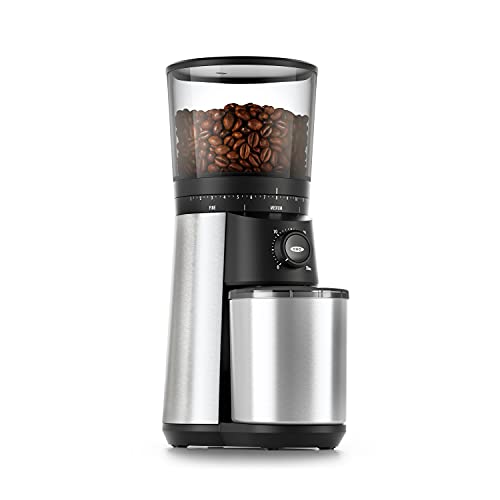
When comparing the two, we are also looking at how they fit into your morning ritual. A grinder is a "pre-brew" task. To get the best flavor, you should grind your beans just before brewing to prevent the loss of the gases and oils that define a bean's unique profile. This makes the grinder a daily active task. A French press is the "brew" task. The workflow of a manual grinder, like the TIMEMORE Chestnut C2 (priced in the $50-$70 range) or the 1Zpresso Q Air, offers a quiet, tactile experience but requires more physical effort. An electric grinder, like the OXO Brew or the Baratza Encore, offers speed and convenience but takes up more counter space and can be louder.
The French press offers a much more hands-off workflow once the coffee is in the carafe. Once you've finished the grinding task, you simply add water, steep, and plunge. The "investment" decision often comes down to whether you value the speed of an electric grinder or the precision and portability of a manual one. If you are looking for a complete morning routine, you need both. However, if you are building a setup from scratch, starting with a reliable grinder ensures that your future purchases—like a high-quality French press—will actually produce the coffee you're dreaming of.
Who Should Choose Coffee Grinders?
Before we dive into the "who," we have to address the elephant in the room: a grinder and a French press aren't competing products—they are two halves of the same equation. A French press is a brewing vessel; a grinder is a precision tool. You can't brew a cup with just a grinder, but if you buy a high-end French press and use cheap, pre-ground coffee, you're essentially buying a beautiful paperweight.
You should prioritize investing in a quality coffee grinder if:
- You value flavor clarity: If you want to taste the unique notes of your beans, you need to grind fresh. Grinding just before brewing prevents the loss of the gases and oils that define a bean's profile.
- You want to control your extraction: A good grinder allows you to adjust settings to find the perfect coarse grind. This prevents the "sludge" problem where too many fines slip through the mesh screen, or the "weak" problem where the coffee is under-extracted.
- You are building a coffee ritual: If you want a consistent morning routine, a reliable grinder (like the Baratza Encore or a manual option like the TIMEMORE Chestnut C2) ensures that your coffee tastes the same every single day.
Who Should Choose French Press?
Since the French press is the brewing method itself, "choosing" it really means deciding if this immersion-style brewing fits your lifestyle and taste preferences.
The French press is the right choice for you if:
- You love a heavy body: If you enjoy a rich, textured, and full-bodied cup of coffee, the French press is legendary for delivering that mouthfeel.
- You want simplicity and value: For those on a budget, a reliable stainless steel or glass press (like those from Veken or Amazon Basics) offers a low-cost entry into specialty coffee. It is a forgiving, tactile way to brew.
- You want a versatile brewer: Beyond just coffee, the French press is a versatile vessel for tea or even even cold brew steeping.
The Bottom Line: If you are deciding where to put your money first, remember that the grinder is the engine of your coffee quality. While a French press is an affordable and delicious way to brew, the quality of your grind is what determines whether you end up with a cafe-quality cup or a muddy mess.
Our Verdict
Before we settle on a winner, we have to address the elephant in the room: you aren't actually comparing two equivalent things. A coffee grinder is a component; a French press is a brewing vessel. Comparing them is like asking whether you should buy a better set of tires or a new car. One is a tool to prepare your ingredients, and the other is the system that extracts the flavor. To get a great cup of coffee, you ultimately need both. However, if you are standing in a coffee shop or looking at your budget and wondering where your next dollar should go to improve your morning, the answer depends entirely on what you currently own.
If you already own a decent press but are still using pre-ground coffee or a cheap blade grinder that produces uneven chunks and fine dust, buy the grinder first. In the world of French press brewing, grind consistency is everything. If your grind is inconsistent, you'll end up with a cup that is simultaneously bitter from over-extracted fines and weak from under-extracted coarse particles. Investing in a quality burr grinder—like the Baratza Encore for electric reliability or the TIMEMORE Chestnut C2 for a budget-friendly manual entry—will fundamentally change your extraction quality. A good grinder ensures you can grind fresh to preserve those precious oils and gases, which is the single best way to elevate your brew.
On the other hand, if you have a high-end grinder but your French press is a scratched-up plastic carafe that leaks or has a mesh screen that lets too much sludge through, buy the French press. A quality press with better build quality and a reliable plunger can make a massive difference in your daily workflow. But remember: even the most expensive stainless steel press cannot fix a bad grind. If you buy a premium press but continue to use inconsistent, pre-ground beans, you are essentially buying a beautiful vessel to hold mediocre coffee.
The Bottom Line: If you want to move from "drinking caffeine" to "tasting coffee," prioritize the grinder. It is the foundation of flavor. Once you have mastered consistent particle size, then you can look into upgrading your press to better manage your brew's body and clarity.
Frequently Asked Questions
Why is the grind size so critical for French Press?
It all comes down to extraction and texture. If your grind is too fine, those tiny particles (fines) will slip through the mesh screen and end up in your cup as sludge. If it's too coarse, the water won't be able to extract enough flavor, leaving you with a weak, sour brew. A consistent, coarse grind is the sweet spot for a balanced cup.
Should I buy a grinder or a French Press first?
It is important to note that these are not equivalent scopes: a grinder is a component used to prepare coffee, while a French Press is the brewing vessel itself. You cannot brew coffee with just a grinder, and a grinder alone won't give you a cup of coffee. However, if you already own a press, investing in a quality grinder is the single best way to upgrade your flavor profile. If you have nothing, you'll need both to get started.
Is it better to use an electric or manual grinder for French Press?
Both have their merits. Electric grinders, like the Baratza Encore, offer speed and ease of use for your morning routine. Manual grinders, such as the TIMEMORE Chestnut C2 or the 1Zpresso Q Air, are often more budget-friendly, compact, and can provide excellent grind consistency for the price. The choice depends on whether you value convenience or portability and price-to-performance ratios.
Why shouldn't I just buy pre-ground coffee for my French Press?
To get the best flavor, you should grind your beans just before brewing. Coffee beans contain precious gases and oils that define their unique flavor profile. Once ground, these elements begin to dissipate. Grinding fresh at home ensures you capture the full complexity of the bean before it hits the water.


