

Best Pour-Over Gear for Everyday Use
Our Top Picks
Affiliate disclosure: if you buy through these links, we may earn a commission at no extra cost to you.

Factors to Consider
Start with the brew method, not the gadget
⚡ Quick Answer
The biggest mistake people make is shopping for a “coffee machine” before deciding how they actually want to brew. A pour-over setup rewards attention and gives you the cleanest, brightest cup, while French press leans heavier and more textured, and drip machines are all about convenience and repeatability. If you love clarity and control, pour-over gear is worth learning; if you want a reliable daily cup before your first meeting, a good automatic brewer may be the better buy.
Table of Contents
That decision matters because the gear shapes extraction from the start. Pour-over setups let you manage dose, grind, water temperature, and pour rate in a way that can improve consistency, while immersion brewers are more forgiving but less precise.
Grinder quality matters more than most accessories
If there’s one place to spend money first, it’s the grinder. A good burr grinder gives you better grind consistency, which translates directly into more even extraction and fewer harsh or hollow cups. Blade grinders create a mix of fine dust and oversized chunks, and that uneven particle distribution is a fast track to bitterness, sourness, and weak flavor all in the same brew.
For pour-over specifically, a grinder with stable burr alignment and a wide-enough adjustment range is more useful than one with flashy presets. Uniform medium-fine grounds will do more for your cup than an expensive dripper sitting under a bad grind.
Look for brew control that matches your workflow
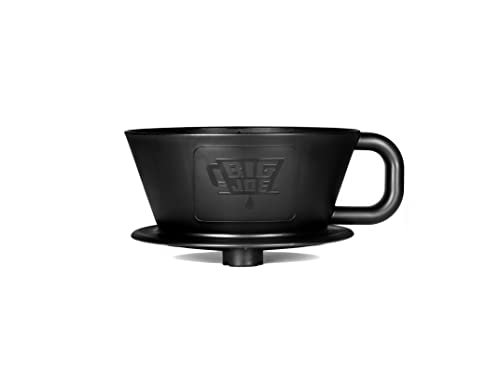
The best gear is the gear you’ll actually use every day, which means ease of use matters as much as technical performance. A pour-over cone with a stable dripper base, a scale with fast readout, and a kettle that pours smoothly will make your routine easier and your results more repeatable. If a setup is fiddly enough that you skip it on busy mornings, it’s not really a good value no matter how good it looks on the counter.
Think about the tradeoff between manual control and speed. Manual pour-over offers more control over saturation and flow, but an auto-drip machine or a well-designed brewer may deliver better day-to-day consistency if you’re rushed.
Don’t ignore capacity, materials, and cleanup
Single-cup brewers, two-cup cones, and larger batch setups all serve different households, so match capacity to how much coffee you actually make. Materials matter too: glass and ceramic retain heat well but are more fragile, while stainless steel and durable plastics are lighter and often easier to live with. A brewer that’s easy to clean tends to get used more often, and stale coffee oils will ruin flavor faster than most people realize.
If you’re buying a French press, moka pot, or reusable filter system, ask yourself how much maintenance you’ll tolerate. The better daily performer is usually the one with fewer annoying parts and less residue trapped in corners.
Price-to-performance beats “premium” marketing every time
In coffee gear, expensive does not automatically mean better coffee. Some machines look gorgeous on a kitchen counter but produce mediocre extraction because the brew temperature, water distribution, or basket design is compromised. A modestly priced setup with solid thermal stability and a good grinder will usually beat a showpiece machine that can’t keep its variables in line.
The sweet spot is gear that improves repeatability without demanding a barista certification to operate. That’s the equipment that genuinely changes your morning: not the one with the most chrome, but the one that gives you a better cup with less friction.
Frequently Asked Questions
What’s the best coffee gear for a beginner?
For most beginners, a simple pour-over cone or a good drip machine paired with a burr grinder is the strongest starting point. That combination keeps the workflow manageable while still giving you enough control to learn how grind size, dose, and water temperature affect extraction.
Do I really need a burr grinder for pour-over?
Yes, if you care about flavor consistency. Burr grinders produce a much more even grind than blade grinders, which helps water extract coffee more uniformly instead of over-extracting the fines and under-extracting the boulders.
Is a manual pour-over better than an automatic drip machine?
Not automatically. Manual pour-over gives you more control over flow rate and saturation, but a good drip machine can deliver excellent repeatability with less effort, which matters if you brew every morning under time pressure.
What grind size should I use for pour-over coffee?
Most pour-over brews land somewhere in the medium to medium-fine range, but the exact setting depends on your dripper, filter, dose, and brew time. If your cup tastes sour and thin, grind finer; if it tastes bitter or dry, go a little coarser.
How important is a coffee scale?
A scale is one of the cheapest upgrades that actually improves your coffee. Measuring dose and yield by weight makes your recipes repeatable, which is the fastest way to understand what changed when a cup tastes better or worse.
What makes one pour-over dripper better than another?
The biggest differences are water flow, heat retention, and how easy the brewer is to use consistently. Some drippers are forgiving and stable, while others demand a more precise grind and pouring technique to avoid uneven extraction.
Are expensive coffee machines worth it?
Sometimes, but only if the machine improves the variables that matter: temperature stability, even water distribution, and reliable brew timing. Research in coffee purchasing consistently shows that users should prioritize grind consistency, brew control, and thermal stability over aesthetic features, because those are the things that actually improve the cup.
Conclusion
The best pour-over gear isn’t the fanciest-looking setup on the shelf; it’s the one that helps you make a cleaner, sweeter, more consistent cup without making mornings harder. If you buy smart — starting with a solid grinder, a reliable dripper, and a scale — you’ll feel the difference in the cup almost immediately.
For most coffee drinkers, the best recommendation is a simple, well-built pour-over setup backed by a burr grinder and a good kettle. That’s the kind of gear that earns its place in the kitchen because it genuinely improves extraction, not just aesthetics.


